Early childhood education
With more than a decade of experience in early childhood education and a Diploma of Early Childhood Education and Care, Diana has worked closely with children and families, including those requiring additional support.
THE PERSON BEHIND BREATHE BEYOND SCARS
Meet Diana Coelho, founder of Breathe Beyond Scars — bringing personal insight, professional experience and community perspectives into conversations about research and care.
DIANA'S STORY
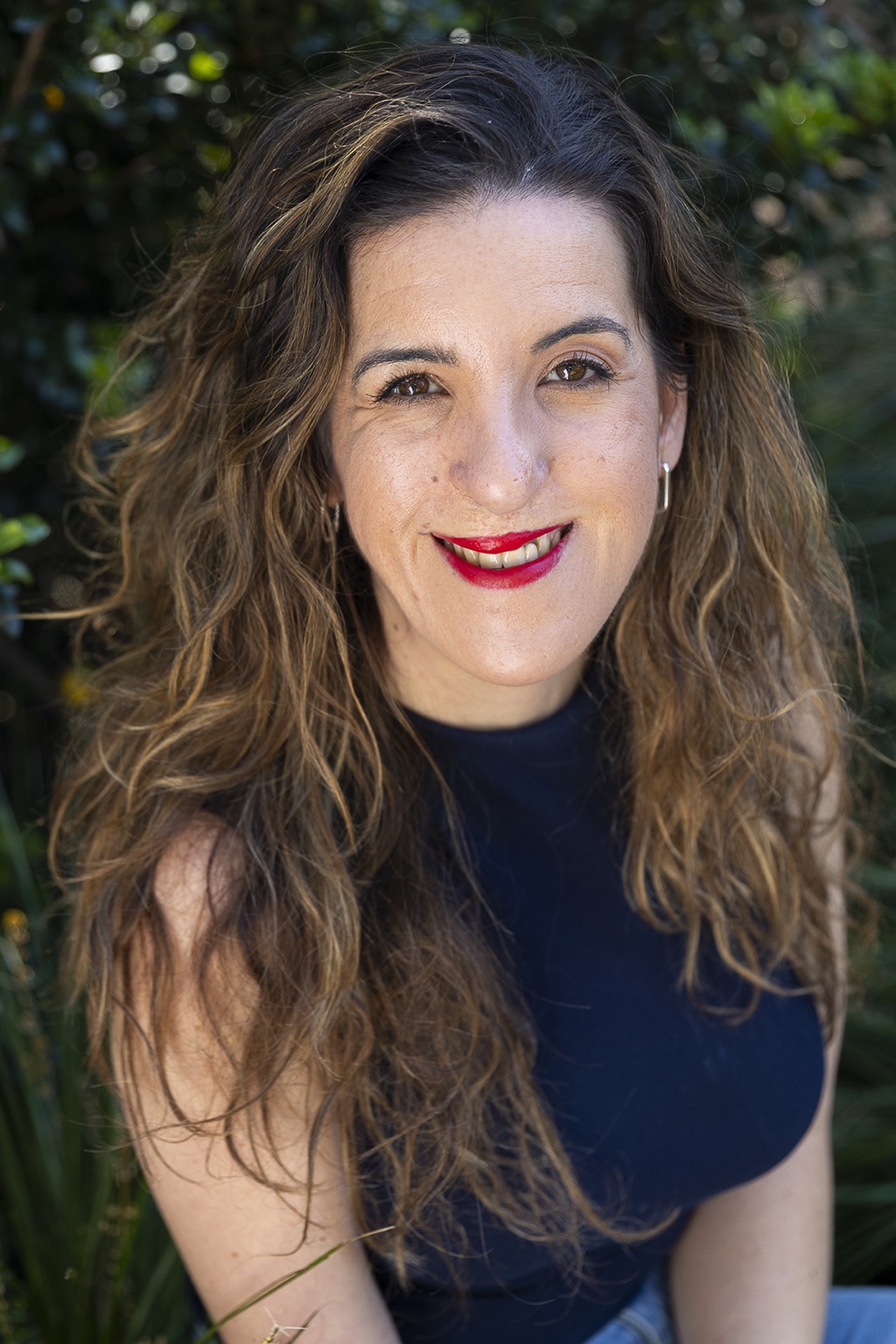
Born in Porto, Portugal, and now based in Sydney, Australia, Diana Coelho founded Breathe Beyond Scars to bring lived experience into research, healthcare and community conversations.
Born with a cleft lip and palate and an upper limb difference, Diana underwent multiple surgical procedures throughout childhood and into early adulthood. These experiences shaped her understanding of healthcare beyond clinical treatment — including the emotional, social and long-term implications of growing up with a visible difference.
Her perspective is grounded in the belief that people with lived experience have valuable insights to contribute to the questions researchers ask, the way services are designed and the support families receive.
PROFESSIONAL & COMMUNITY BACKGROUND
With more than a decade of experience in early childhood education and a Diploma of Early Childhood Education and Care, Diana has worked closely with children and families, including those requiring additional support.
Through her involvement with CleftPALS NSW, Diana contributes to community connections and activities supporting people and families affected by cleft conditions.
Community volunteer work in Namibia has broadened Diana’s perspective on inclusion, access to support and the importance of listening to local communities.
WHY BREATHE BEYOND SCARS
Breathe Beyond Scars reflects Diana’s interest in connecting researchers, healthcare professionals and organisations with perspectives that may otherwise be overlooked.
Her specialist interests are craniofacial conditions and visible differences, while her consultancy also welcomes broader disability research and community engagement projects in Australia and internationally.
Diana brings lived-experience insight, an education background and community involvement to this work. She is continuing to develop her knowledge and practice in counselling and research collaboration; her role is not presented as that of a clinical practitioner or academic researcher.
THE PURPOSE
Research and care can be more responsive when people are invited to contribute not only their stories, but their questions, priorities and ideas.
CONNECT & COLLABORATE
For research collaborations, lived-experience advisory opportunities, community engagement or speaking enquiries, contact Breathe Beyond Scars.